September 28, 2026 Post by : Editorial Native Plants
The Beginner's Guide to Sheet Mulching: Kill Grass and Build Soil Without a Single Weed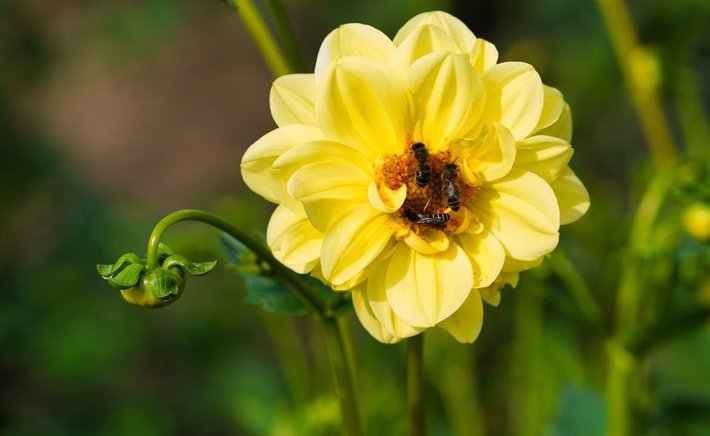
That narrow strip of grass along the driveway or the back fence is often the worst lawn on the property: too shady, too dry, or just awkward to mow. It's also the perfect place to start replacing turf with native plants. A pollinator border takes a weekend to install, gets easier every year, and hands you back the hours you used to spend dragging a mower around its edges.
Before you dig anything up, watch the light. A border that gets six or more hours of sun supports a completely different plant list than one that gets dappled shade from a maple. Get this wrong and you'll spend two seasons watching things sulk. You can also smother the grass instead of digging it: lay down cardboard, wet it, cover with three inches of mulch or compost, and let it sit for a season. The grass dies underneath and you plant straight into the bed the following spring.
Designing for Three Seasons, Not One Weekend
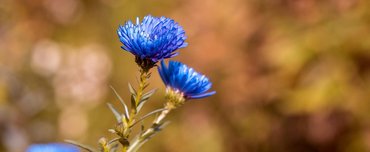
The most common mistake in pollinator borders is planting everything that blooms in July. Then you have six weeks of glory and ten months of nothing. Instead, plan a sequence. Early bloomers like wild columbine and beardtongue feed emerging bees in spring. Summer brings coneflower, bee balm, and butterfly weed. Late summer and fall belong to asters, goldenrod, and helianthus, which are critical for migrating butterflies and for bees stocking up before winter.
Layer the border by height so it reads as a designed space rather than a wild patch. Short plants like pussytoes and creeping phlox go in front, mid-height flowers in the middle, and taller grasses and shrubs at the back. Leave the stems standing through winter instead of cutting everything down in fall. Native bees nest in hollow stems, and seed heads feed goldfinches and chickadees when everything else is buried in snow.
Care That Gets Lighter Every Year
The first summer, you'll water regularly until roots establish. After that, most native perennials in a properly prepared bed need very little supplemental watering, which is the whole point. Skip fertilizer entirely. Native plants in decent soil respond to feeding by getting floppy and leggy, and you'll end up staking things that should stand on their own.
Weed pressure is highest in year one and drops sharply once the bed fills in. Plant densely, mulch between new plants, and be patient. By year three, the border should be mostly self-supporting. Cut it back in late winter or early spring, leave the clippings in place as mulch, and enjoy the fact that your hardest task is deciding where to put the next one.
Author
22 feb,2025
This incident opened my eyes to the value of Insurance in general, so I decided to examine my personal and business insurance.

Comment (3)
The payments are made directly from one person to another without passing through a central bank or clearing house.
22 feb,2025
ReplyBuilding a Backyard Habitat: Simple Additions That Welcome Wildlife
23 feb,2025
ReplyBuilding a Rain Garden That Actually Works in a Suburban Yard
23 feb,2025
Reply