September 7, 2026 Post by : Editorial Wildlife Habitat
Replacing a Strip of Lawn With a Native Pollinator Border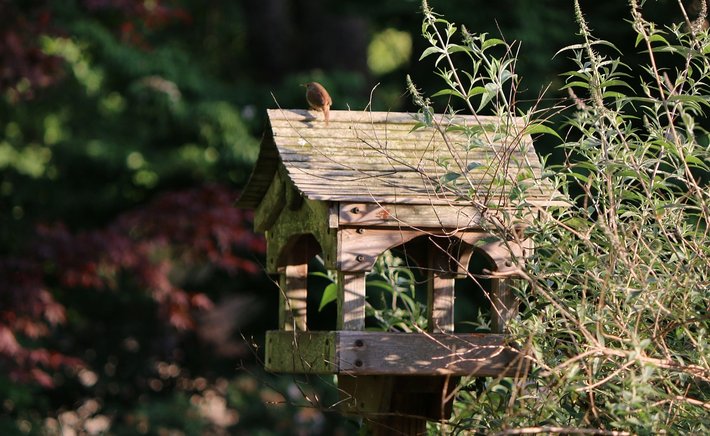
A suburban yard can feel like a green desert. The lawn is uniform, the shrubs are trimmed into balls, and the only wildlife you see is the occasional squirrel raiding a bird feeder. But it does not take much to shift a yard toward something more alive. Wildlife needs four things: food, water, cover, and places to raise young. If you provide those, even in a small space, birds, pollinators, and beneficial insects will find you.
The good news is that you do not need acreage or a prairie restoration. A typical quarter-acre lot can support a surprising amount of life if you layer in a few key elements. The goal is not to let the yard go wild, but to add diversity and structure. Think of it as editing rather than abandoning.
Food, Water, and Cover in a Small Space
Start with plants that provide food. Native flowering perennials like coneflower, bee balm, and goldenrod feed pollinators through the growing season. Shrubs such as elderberry, serviceberry, and viburnum offer berries for birds in late summer and fall. If you have room for a small tree, consider a native oak or cherry, which support hundreds of caterpillar species. Those caterpillars are essential food for nesting birds, even if they are not the most glamorous guests.
Water is often the missing piece. A simple birdbath with a gentle dripper or a shallow dish refreshed daily will draw birds, bees, and butterflies. If you have the space, a small pond or a buried tub with a few native aquatic plants creates habitat for dragonflies, frogs, and other creatures. Even a saucer of water set in a shady border can make a difference. Just be sure to keep it clean and change the water regularly to avoid mosquito breeding.
Cover means places to hide, nest, and overwinter. Dense shrubs, brush piles, and tall grass provide shelter. Leave a few stems standing through winter instead of cutting everything back in fall; many native bees overwinter in hollow stems, and birds will pick seeds from spent flowers. A brush pile in a back corner, made from pruned branches, offers cover for small mammals and insects. If you want to go further, add a nesting box suited to local birds, mounted at the right height and facing the right direction.
Managing the Yard With Wildlife in Mind
Habitat gardening does not mean abandoning maintenance. It means making different choices. Reduce or eliminate pesticide use, since even targeted sprays can harm pollinators and the insects birds depend on. Leave some leaf litter in beds over winter, as it shelters butterfly pupae and native bees. Mow less frequently, and let a patch of lawn grow taller to provide cover and food. If you have a fence, consider leaving a small gap at the bottom so hedgehogs, toads, and other ground-dwelling creatures can move through.
Keep a shallow dish of water near the ground for toads and other small creatures, and place a few flat rocks in sunny spots where butterflies can bask. If you have outdoor cats, keep them indoors or use a catio, since free-roaming cats are one of the biggest threats to backyard birds. A bird feeder is fine, but keep it clean and place it where birds have nearby cover to retreat to.
One of the quiet pleasures of habitat gardening is that it changes how you see your yard. A patch of goldenrod becomes a late-season lifeline. A messy corner becomes a nursery. A birdbath becomes a daily gathering place. You do not need a certification or a perfect plan to start. Pick one or two changes this season, and watch what shows up.
Author
22 feb,2025
This incident opened my eyes to the value of Insurance in general, so I decided to examine my personal and business insurance.


Comment (3)
The payments are made directly from one person to another without passing through a central bank or clearing house.
22 feb,2025
ReplyBuilding a Rain Garden That Actually Works in a Suburban Yard
23 feb,2025
ReplyComposting in a Small Suburban Yard Without the Smell or the Neighbors Noticing
23 feb,2025
Reply