September 16, 2026 Post by : Editorial Native Plants
Building a Backyard Habitat: Simple Additions That Welcome Wildlife
Every suburban yard seems to have at least one spot where grass refuses to grow. Maybe it is the dry slope along the driveway, the shady strip under a maple, or the narrow band between the sidewalk and the street. You have probably tried reseeding, fertilizing, and watering, only to watch the turf thin out again by August. Instead of fighting the conditions, consider swapping that struggling lawn for a native groundcover. These plants evolved in your region, they tolerate local soils and weather, and many of them feed bees, butterflies, and beneficial insects along the way.
The trick is matching the plant to the site. A groundcover that thrives in dry shade will rot in a wet, sunny border, and a sun-loving spreader will sulk under a dense canopy. Before you choose, watch how the spot behaves through the day. Note how many hours of direct sun it gets, whether water pools after rain, and how compacted the soil feels. That information narrows your options quickly and saves you from repeating the same mistake with a different plant.
Reliable Choices for Common Problem Areas
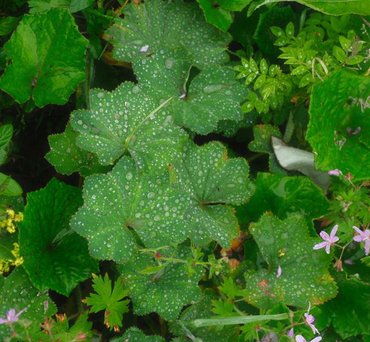
For dry shade, wild ginger is a standout. Its glossy, heart-shaped leaves form a dense carpet about six inches tall, and it spreads slowly by rhizomes without becoming a thug. Wild geranium is another good companion, offering pink spring blooms and attractive foliage that holds up through summer. Both appreciate soil enriched with leaf litter and will reward you with years of low-maintenance cover once established.
On sunny slopes where mowing is awkward, consider creeping phlox or prairie dropseed. Creeping phlox stays low, blooms early, and knits the soil together with a mat of evergreen foliage. Prairie dropseed is a fine-textured bunch grass that tolerates heat and drought, and its airy seed heads catch the light in late summer. For the strip between sidewalk and curb, where salt and foot traffic are constant, Pennsylvania sedge is a tough native that stays green, needs no mowing, and handles both sun and part shade.
In wet spots where downspouts empty or the ground stays soggy, try swamp milkweed or blue flag iris. Both handle seasonal flooding and attract pollinators. Swamp milkweed is a host plant for monarch caterpillars, while blue flag iris offers striking purple blooms in late spring. Plant them in groups for visual impact and to make it easier for pollinators to find them.
How to Make the Switch Without a Full Renovation
You do not have to tear out the entire lawn at once. Start by smothering the grass in your target area with cardboard or several layers of newspaper, then top it with two to three inches of compost. Let it sit for a few weeks, or plant directly through the cardboard by cutting a hole for each plug. Space your groundcover plugs according to their mature spread, usually twelve to eighteen inches apart for faster fill. Water them regularly through the first season, and mulch between plants with shredded leaves to hold moisture and keep weeds down.
Native groundcovers take a season or two to knit together, but once they do, they need far less water, mowing, and fuss than turf. They also create habitat in places that were previously biological deserts. For suburban homeowners looking to reduce lawn care while supporting local ecosystems, replacing problem turf with native groundcover is one of the most rewarding changes you can make.

Author
22 feb,2025
This incident opened my eyes to the value of Insurance in general, so I decided to examine my personal and business insurance.
Comment (3)
The payments are made directly from one person to another without passing through a central bank or clearing house.
22 feb,2025
ReplyFive Lawn Habits That Quietly Waste Water and How to Fix Them
23 feb,2025
ReplyPlanting a Small Native Tree: The Best Long-Term Investment in Your Yard
23 feb,2025
Reply