September 25, 2026 Post by : Editorial Eco-Friendly Lawn Care
Native Groundcovers That Beat Grass for Shade, Slopes, and Hard-to-Mow Spots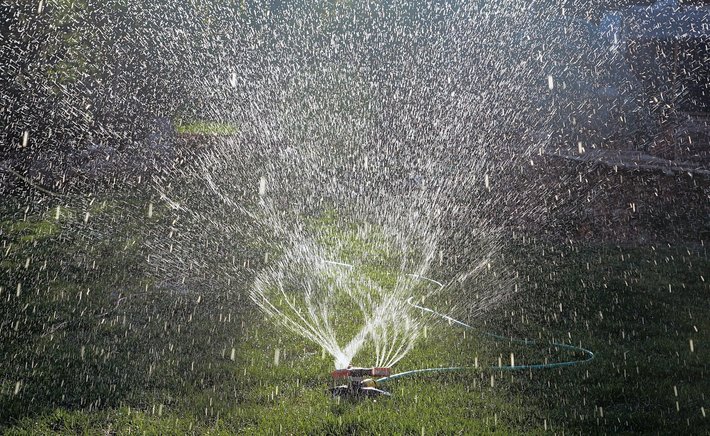
A healthy lawn doesn't need nearly as much input as the lawn care industry would have you believe. The average suburban sprinkler system runs on a schedule set years ago and never adjusted, which means it waters in the rain and skips the weeks when grass actually needs a drink. Fixing a handful of habits will improve the lawn and cut your water bill at the same time.
The first habit to break is frequent, shallow watering. Light daily sprinkling trains roots to stay near the surface, where they dry out fast and leave the grass vulnerable to heat. Deep, infrequent watering does the opposite. One good soaking per week, delivering about an inch of water, pushes roots down where the soil stays cool and moist. Put a tuna can on the lawn while the sprinkler runs to see how long it takes to fill. That's your target time.
Mowing Height and Timing Matter More Than You Think
Scalping the lawn feels tidy, but it's one of the worst things you can do. Grass blades are the plant's solar panels, and cutting them very short starves the roots. Raise the mower deck to three or even four inches during summer. Taller grass shades the soil, which slows evaporation and crowds out crabgrass and other weeds that need light to germinate.
Mow often enough that you're never removing more than a third of the blade at once. If you've let it get shaggy, cut it in two passes a few days apart rather than one dramatic chop. And leave the clippings on the lawn. They break down quickly and return nitrogen, which means you can cut your fertilizer use substantially. This is called grasscycling, and it's the easiest free improvement available.
Rethinking Fertilizer and the Fall Window
Spring feeding is heavily marketed but often counterproductive. Pushing lush top growth in spring means more mowing and weaker roots going into summer. The most valuable feeding of the year is in early fall, when grass is building roots and storing energy for winter. One fall application of a slow-release organic fertilizer does more for a lawn than three spring doses of quick-release nitrogen.
Get a soil test before you buy anything. It's inexpensive through most university extension services and tells you exactly what your soil lacks. Many suburban lawns are actually high in phosphorus from years of overspray, and adding more is wasteful and pollutes nearby waterways. Fix the watering, raise the mower, recycle the clippings, feed in fall, and test before you treat. That's the entire program, and your lawn will look better for it.

Author

22 feb,2025
This incident opened my eyes to the value of Insurance in general, so I decided to examine my personal and business insurance.
Comment (3)
The payments are made directly from one person to another without passing through a central bank or clearing house.
22 feb,2025
ReplyPlanting a Small Native Tree: The Best Long-Term Investment in Your Yard
23 feb,2025
ReplyThe Beginner's Guide to Sheet Mulching: Kill Grass and Build Soil Without a Single Weed
23 feb,2025
Reply