October 1, 2026 Post by : Editorial Soil & Composting
Planting a Small Native Tree: The Best Long-Term Investment in Your Yard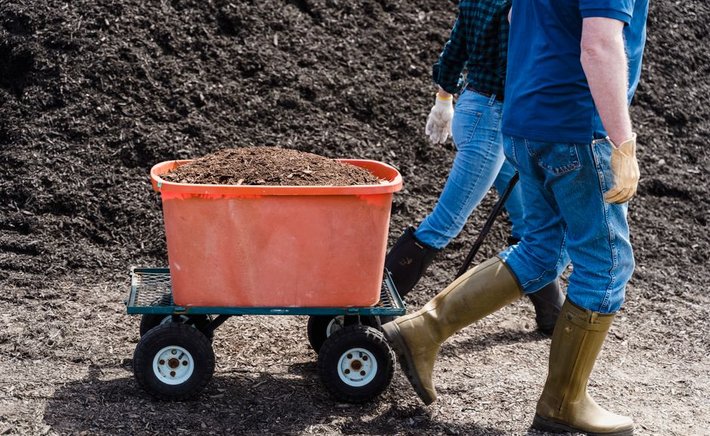
The biggest myth about composting is that it requires space, equipment, or a tolerance for foul odors. In reality, a suburban backyard can produce beautiful compost in a footprint the size of a card table, and the process smells like nothing more than damp earth when it's working correctly. If your pile stinks, something is off balance, and the fix is usually as simple as adding more dry material.
Start with a bin. You can build one from wood pallets, buy a plastic stationary bin, or use a tumbler if you want to keep things tidy. All of them work. What matters more is where you put it: partial shade keeps it from drying out in summer, and a spot near the kitchen door means you'll actually use it. A pile in the far back corner of the yard is a pile you'll abandon by August.
The Green and Brown Balance That Makes It Work
Composting is a relationship between two kinds of material. Greens are wet and nitrogen-rich: vegetable scraps, coffee grounds, grass clippings, fresh plant trimmings. Browns are dry and carbon-rich: fallen leaves, shredded cardboard, straw, dried stems. The rough target is two to three parts browns to one part greens by volume. Most beginners fail because they add kitchen scraps all winter and never add browns, which is exactly how you get a slimy, smelly mess.
Keep a bag of shredded leaves or a bale of straw next to the bin. Every time you dump the kitchen container, throw in a handful of browns and give it a stir. That's the whole technique. Chop large items into smaller pieces so they break down faster, and avoid meat, dairy, oily foods, and pet waste, which attract animals and create odors you don't want near the house.
Turning, Timing, and Knowing When It's Done
If you want compost in two to three months, turn the pile every week or two with a pitchfork. If you're patient, you can turn it monthly and let it take six months to a year. Both produce good results. The pile should feel like a wrung-out sponge, warm in the middle during active decomposition, and roughly the volume of a garbage can or larger to hold heat. Smaller piles still work, just more slowly.
Finished compost is dark, crumbly, and smells sweet and earthy. You shouldn't be able to recognize banana peels or leaves in it. Screen out any stubborn chunks and toss them back into the next batch. Use the finished material as a top dressing on beds, mixed into potting soil, or brewed into a simple compost tea for container plants. Once you've made your first batch, you'll wonder why you ever bagged those leaves for the curb.


Author

22 feb,2025
This incident opened my eyes to the value of Insurance in general, so I decided to examine my personal and business insurance.


Comment (3)
The payments are made directly from one person to another without passing through a central bank or clearing house.
22 feb,2025
ReplyNative Groundcovers That Beat Grass for Shade, Slopes, and Hard-to-Mow Spots
23 feb,2025
ReplyRain Barrels Done Right: A Suburban Setup That Looks Good and Works Hard
23 feb,2025
Reply